
Why Ranjit Rath Could Be the First Choice for ONGC Chairman
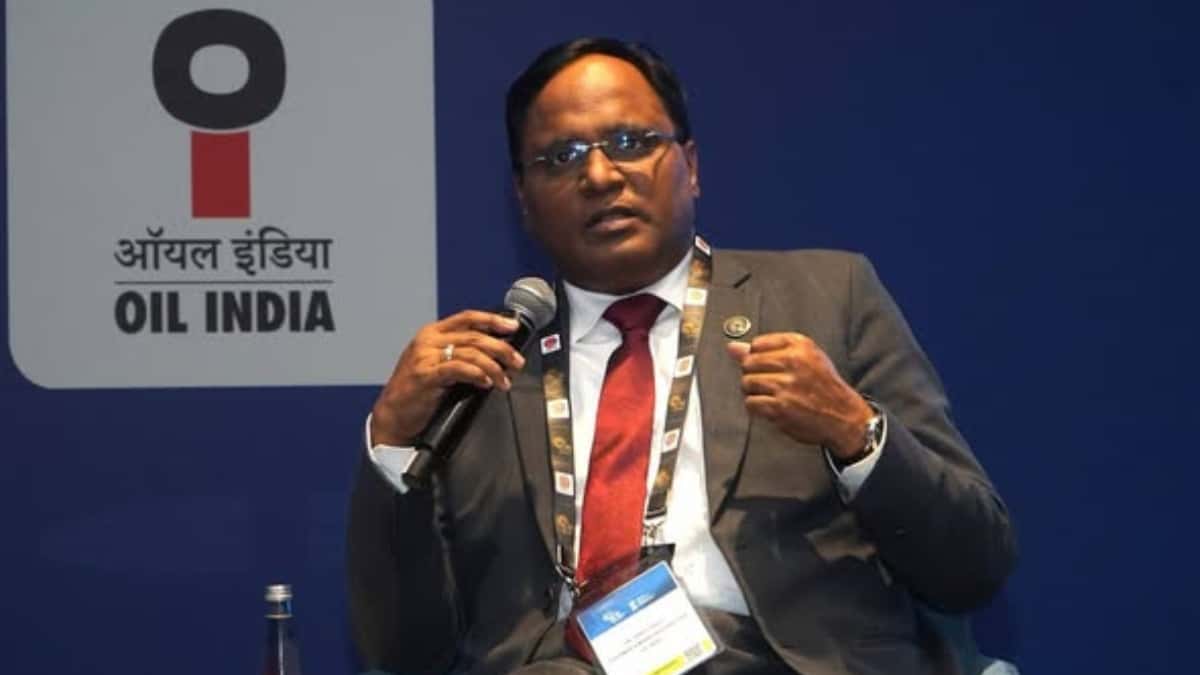
New Delhi, September 8, 2026: Oil India CMD Dr. Ranjit Rath is widely viewed as a frontrunner among the seven shortlisted candidates for the ONGC Chairman and Managing Director post. The second round of interviews is expected this week, with the vacancy arising on 7 December 2026.
What exactly does Rath bring to the table that places him ahead of other strong contenders? Here’s a clear, fact-based look.
1. Proven Track Record of Delivery at Oil India
Since taking charge as CMD of Oil India in August 2022, Rath has overseen measurable operational improvement:
-
Record drilling activity (highest-ever wells drilled in a year)
-
Highest-ever oil + oil-equivalent gas production in recent years
-
Strong growth in natural gas output
-
Reserve Replacement Ratio above 1
-
Steady progress on Numaligarh Refinery expansion and exploration campaigns
These results matter because ONGC needs a leader who can drive production growth and exploration intensity at scale.
2. Deep Technical Foundation as a Geoscientist
Rath is not a pure generalist. He is a trained geoscientist with more than 30 years of experience.
-
Alumnus of IIT Bombay and IIT Kharagpur
-
Recipient of the National Geosciences Award from the President of India
-
Hands-on background in exploration geology, upstream asset management, and strategy
ONGC’s core challenge remains finding and producing more hydrocarbons. A leader with strong technical credibility in geosciences carries natural weight in this role.
3. Broader Leadership Experience Beyond Oil India
Before Oil India, Rath held senior positions that give him a wider perspective:
-
CMD of Mineral Exploration & Consultancy Limited
-
CEO of Khanij Bidesh India Limited
-
MD of Bharat Gold Mines Limited
-
Additional charge as Director General of the Geological Survey of India
-
Contribution to India’s Strategic Petroleum Reserves programme
This mix of exploration, strategy, and public-sector leadership experience is relatively rare among the current shortlist.
4. Age and Tenure Advantage
At 54, Rath has more residual service years compared with several other candidates who are closer to the upper age limit. The government has set the maximum entry age at 59 and is offering an initial three-year term (extendable by two years). A younger, high-energy candidate with room for continuity can be an important factor in long-term planning.
5. Second Consecutive Attempt Shows Consistency
Rath was shortlisted last year as well. The government ultimately extended the tenure of the current Chairman. Returning for a second attempt after delivering results at Oil India demonstrates both persistence and growing readiness for the larger responsibility.
What the Role Demands
The next ONGC Chairman will need to focus on:
-
Accelerating domestic exploration and production
-
Managing large overseas assets
-
Driving new energy and petrochemical growth
-
Improving capital efficiency and technology adoption
Rath’s combination of technical depth, operational delivery, and prior leadership roles aligns closely with these priorities.
Current Status
Seven candidates remain in the race. They are expected to appear before the Search-cum-Selection Committee for the next round of interviews. Final approval rests with the Appointments Committee of the Cabinet.
While the final decision is still pending, Dr. Ranjit Rath’s profile continues to make him one of the strongest and most closely watched names in the contest.