
Oil PSU Stocks Mixed as Crude Hits $100: ONGC Gains, OMCs Under Pressure
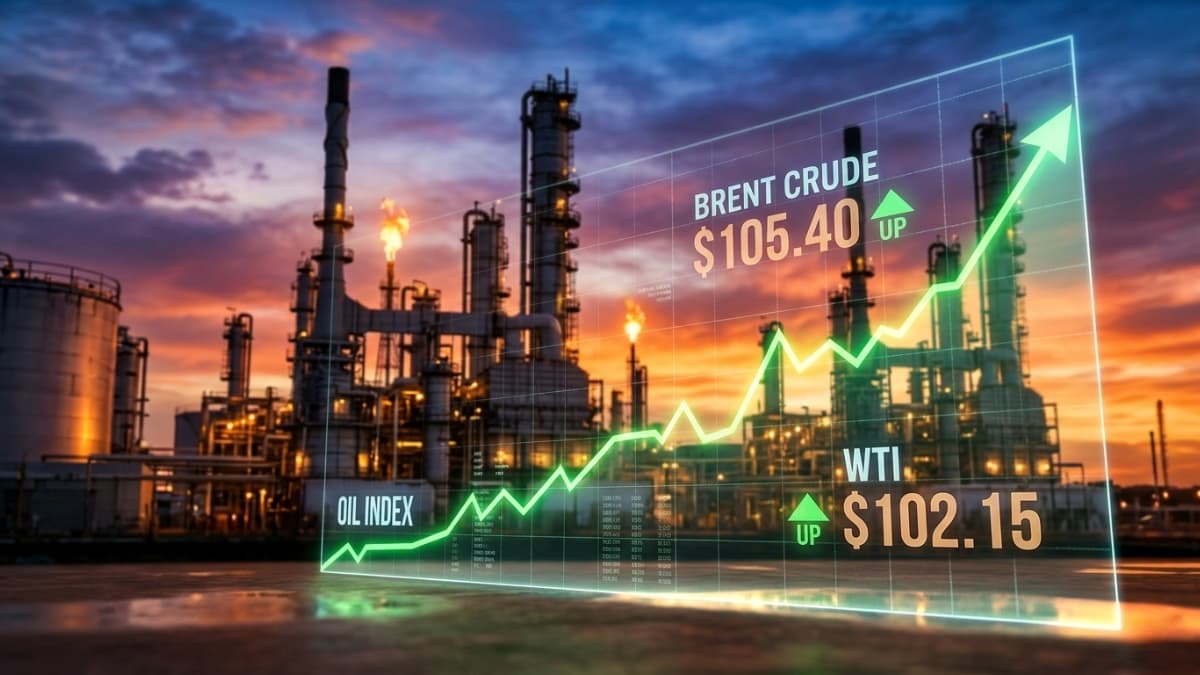
New Delhi, March 16, 2026: Indian energy stocks witnessed a sharp divide in investor sentiment today as global crude prices sustained levels above $100 per barrel. While upstream giants like ONGC found support from rising realization prices, downstream Oil Marketing Companies (OMCs) faced a sell-off amid fears of a "Refinery Price Cap" to curb marketing losses.
Upstream Gains: ONGC and Oil India Lead
Upstream producers, which benefit directly from high crude realizations, remained the preferred pick for investors.
-
ONGC: The stock showed resilience, trading firmly between ₹270–₹272. As India's largest producer, every dollar increase in global Brent crude bolsters ONGC's bottom line.
-
Oil India Limited: Following the trend, Oil India maintained a steady range of ₹540–₹555, supported by strong domestic production targets.
Downstream Pain: OMCs Slip on Margin Concerns
In contrast, the "Big Three" fuel retailers saw a downward trend. High international crude costs act as a double-edged sword for refiners who are currently unable to pass the full cost hike to consumers at the pump.
| Company | Segment | Approx. Price | Market Sentiment |
| ONGC | Upstream | ₹270–₹272 | Slight Gain |
| Oil India | Upstream | ₹540–₹555 | Stable |
| IOCL | Downstream | ₹176–₹179 | Mild Decline |
| BPCL | Downstream | ₹362–₹368 | Decline |
| HPCL | Downstream | ₹452–₹458 | Decline |
The "Price Cap" Factor
The primary drag on IOCL, BPCL, and HPCL today is the ongoing discussion regarding a Refinery Transfer Price (RTP) cap. With crude over $100, OMCs are exploring internal mechanisms to freeze the price at which marketing divisions buy fuel from refineries. While this might protect retail margins, it shifts the financial burden onto the refining segment, leading to a mixed outlook for integrated energy players.
Market Note: Analysts suggest that unless retail fuel prices are hiked or the government announces a formal excise duty cut, OMCs may continue to see volatility in the short term.
Disclaimer: This article is based on publicly available information.