
Trump Bans State AI Laws With Sweeping Executive Order, Sparking Federalism Fight
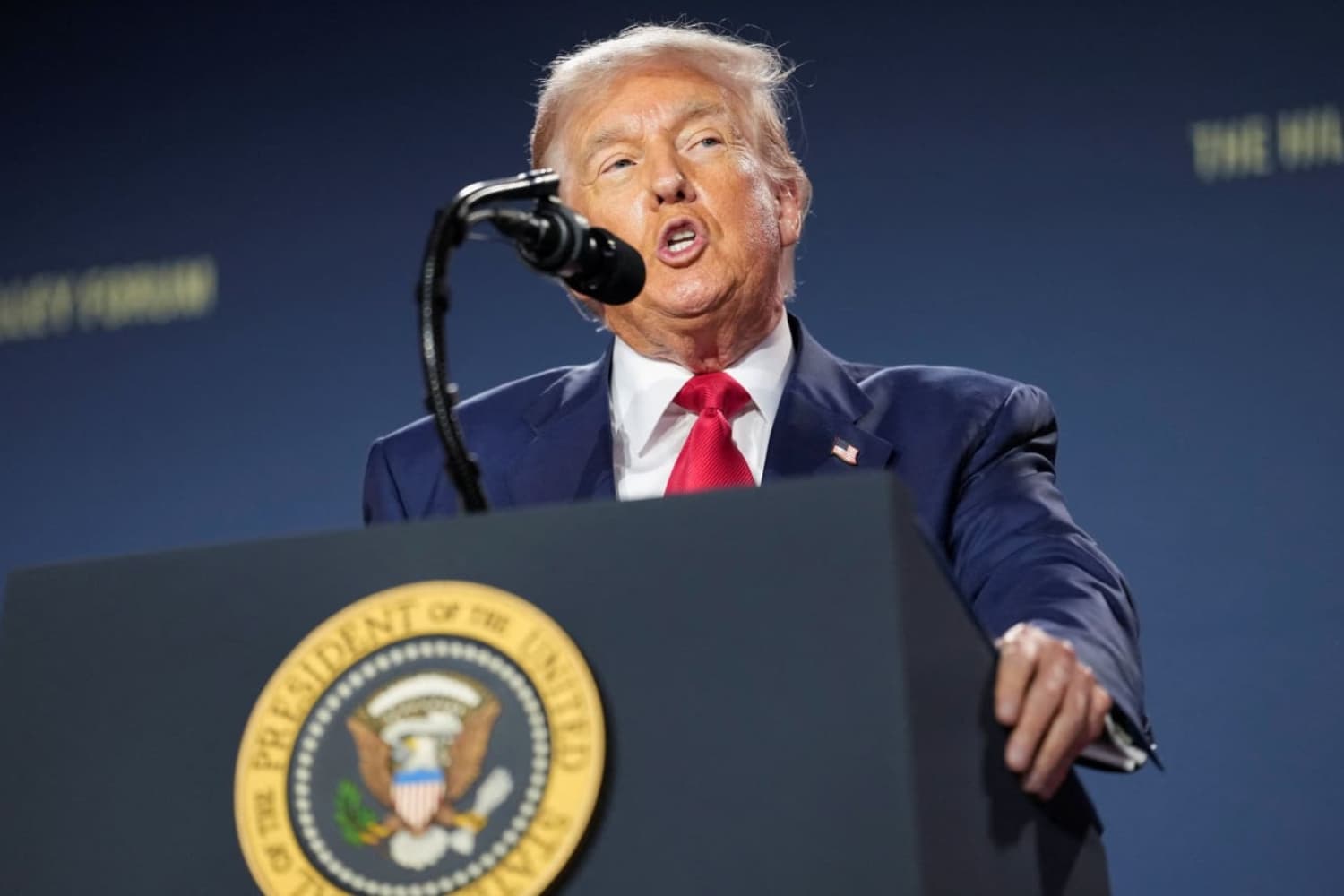
WASHINGTON, D.C.: President Donald Trump issued a landmark executive order on Monday effectively nullifying state-level artificial intelligence regulations, asserting federal supremacy to create a singular, national framework for governing the rapidly evolving technology. The order immediately blocks states from enforcing existing or future laws targeting issues like AI-generated deepfakes, algorithmic hiring discrimination, and safety certifications, triggering immediate legal and political pushback.
The “Executive Order on Promoting Uniformity in Artificial Intelligence Regulation” marks the administration’s most aggressive step to date in shaping the U.S. approach to AI. It aims to prevent a “patchwork” of state laws that the White House argues stifles innovation and hinders America’s competition with global rivals like China. However, the move overrides proactive measures already passed in states including California, Illinois, and New York, drawing fierce criticism from governors, state attorneys general, and civil liberties organizations who decry it as a dangerous federal power grab that undermines consumer protections.
The order directs federal agencies, led by the Department of Commerce, to prioritize the development of a unified national regulatory standard for AI development and deployment. It explicitly preempts state laws that conflict with this forthcoming federal vision, creating a period of regulatory uncertainty until new federal rules are established.
“We cannot have 50 different sets of rules for artificial intelligence. It cripples our companies and confuses our citizens,” said a senior administration official in a background briefing. “This order ensures America remains the leader in AI, driving innovation while setting clear, national safeguards.”
Key areas where state laws are now suspended include:
-
Deepfakes & Transparency: Overrides California and Texas laws requiring clear labels on AI-generated election media and synthetic content.
-
Algorithmic Bias: Preempts Illinois’s landmark AI Video Interview Act and New York City’s local law regulating bias audits in automated hiring tools.
-
Safety & Certification: Halts Colorado’s requirements for AI systems in high-risk areas like insurance to undergo risk assessments and mitigate algorithmic discrimination.
The reaction from states was swift and negative. California Governor Gavin Newsom called the order “a blunt instrument that silences states’ rights to protect their own residents from emerging harms.” He vowed to explore “all available options,” signaling a likely legal challenge on states’ rights grounds.
Privacy advocates echoed the concern. “This isn’t about uniformity; it’s about vacuuming up power and preventing states from acting as laboratories of democracy where stronger protections can be developed,” said Caitlin Rivers, policy director at the Center for Digital Democracy. “The federal framework, when it eventually comes, risks being the lowest common denominator written by and for industry.”
The executive action follows the collapse of a bipartisan congressional effort in July to impose a 10-year moratorium on new AI regulations, a bill that failed amid disagreements over scope and enforcement. Faced with a legislative stalemate, the administration has opted to use executive authority to push its deregulatory, innovation-centric agenda.
Tech industry groups largely praised the move. The Tech Innovation Alliance released a statement calling it “a critical step to provide the regulatory clarity needed for American leadership.” However, some smaller AI ethics firms expressed worry that the vacuum before federal rules are set could lead to a “wild west” period with diminished accountability.