
India’s Power Sector Achieves Landmark Feats in 2025: From 242 GW Peak Demand to 51% Non-Fossil Capacity
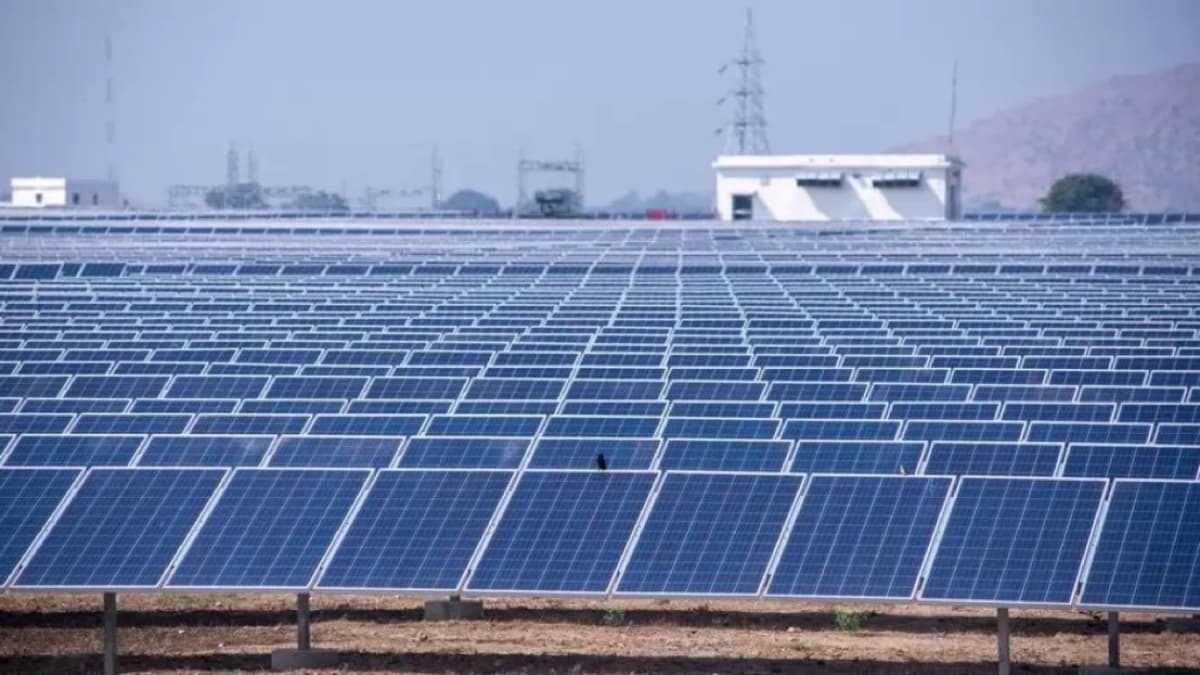
NEW DELHI, January 16, 2026: The Ministry of Power today released its Year-End Review for 2025, highlighting a historic period of achievement for India's energy sector. The year was marked by unprecedented milestones in meeting peak demand, a massive expansion of renewable energy, significant improvements in rural electrification, and landmark policy reforms aimed at securing a sustainable and reliable power future for the nation.
Key Achievements for 2025:
1. Meeting Record Power Demand & Improving Supply:
-
Successfully met an all-time high peak power demand of 242.49 GW.
-
Slashed national energy shortage to a mere 0.03% in FY 2025-26, a dramatic improvement from 4.2% in FY 2013-14.
-
Per capita electricity consumption surged to 1,460 kWh in 2024-25, a 52.6% increase from 2013-14.
-
Rural power availability jumped to 22.6 hours per day (from 12.5 hours in 2014), and urban areas now enjoy 23.4 hours of supply.
2. Massive Growth in Generation Capacity:
-
Total installed power capacity soared to 509.74 GW as of November 30, 2025, more than doubling from 249 GW in March 2014.
-
A staggering 55.57 GW of new capacity was added between January-November 2025 alone.
-
Renewable energy (including large hydro) capacity addition since 2014 crossed 178 GW, including 130 GW of solar and 33 GW of wind power.
-
India achieved its Nationally Determined Contribution (NDC) target of 50% non-fossil fuel capacity nearly five years ahead of schedule, with the share now at 51%.
3. Strengthening Coal Security & New Thermal Projects:
-
To support baseload demand, 13.32 GW of new coal-based capacity was awarded and 7.21 GW commissioned in FY 2025-26 (till Nov 30).
-
Coal stocks at domestic plants stood at a robust 51.7 MT as of Dec 21, 2025, with a target of 66 MT by March 2026. Improved supply led to the discontinuation of the imported coal blending advisory.
-
The Revised SHAKTI Policy was approved in May 2025, streamlining coal allocation and enhancing energy security.
4. Building the Grid of the Future (Transmission):
-
Finalized the National Electricity Plan (2023-2032) with an investment of ₹9.16 lakh crore to expand the transmission network to 6.48 lakh circuit km by 2032.
-
Approved 25.8 GW of RE-linked interstate transmission projects worth ₹38,849 crore in 2025.
-
Revised Right of Way (RoW) compensation guidelines to expedite critical infrastructure for evacuating 500 GW of renewable energy by 2030.
5. Transforming Distribution & Consumer Empowerment:
-
Under the Revamped Distribution Sector Scheme (RDSS), nearly 19.8 crore prepaid smart meters have been sanctioned.
-
Aggregate Technical & Commercial (AT&C) losses reduced to 16.16% (provisional for FY25) from 21.91% in FY21.
-
Focused electrification of households under PM-JANMAN and DA-JGUA initiatives for tribal communities.
6. Pioneering Energy Conservation & Market Reforms:
-
Notified the Carbon Credit Trading Scheme (CCTS), establishing India's own carbon market. Emission intensity targets were set for four major sectors (Aluminium, Cement, etc.) in October 2025.
-
Launched the ADEETIE scheme (₹1,000 crore outlay) to promote energy efficiency in MSMEs.
-
Late Payment Surcharge Rules, 2022 successfully recovered over ₹1.31 lakh crore of legacy dues from Discoms, drastically improving payment discipline across the sector.
-
Amended Electricity Rules to facilitate consumer-owned energy storage and streamline approvals for hydro and pumped storage projects.
Conclusion:
The 2025 review paints a picture of a power sector undergoing a rapid and foundational transformation. By simultaneously bolstering conventional energy security, accelerating the green energy transition, modernizing the grid, empowering consumers, and enforcing financial discipline, India has laid a robust foundation to meet its growing economy's demands while steadfastly pursuing its climate commitments.