
Indian Rupee Hits Near-Record Low: What’s Happening and Why RBI is Worried
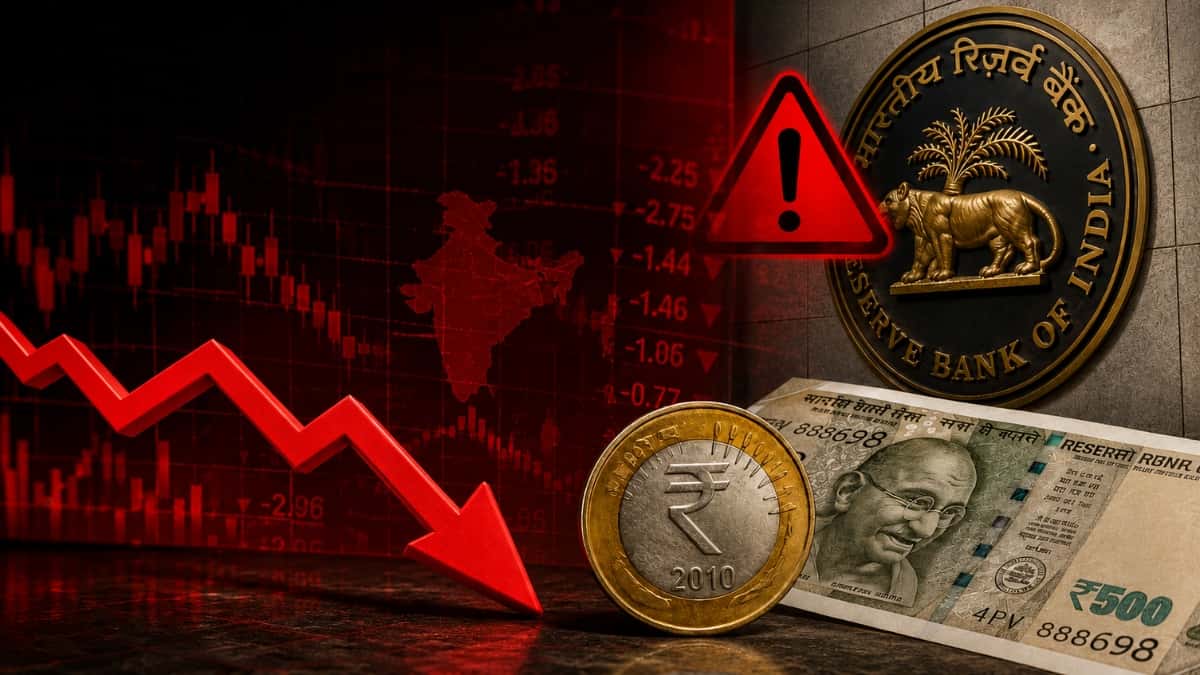
New Delhi, July 21, 2026: The Indian rupee has once again slipped close to its all-time low against the US dollar. This has sparked fresh discussion inside the Reserve Bank of India (RBI) about whether to step in and support the currency.
Here’s a simple explainer on what is happening, why the rupee is weakening, and what it means for you.
Why is the Rupee Falling?
The rupee has been under pressure for several weeks. Main reasons include:
-
Strong US dollar due to expectations of higher interest rates in America.
-
Heavy buying of dollars by foreign investors pulling money out of Indian markets.
-
Rising oil prices, which increases India’s import bill.
As a result, the rupee recently touched levels very close to its record low of around ₹84.5 per dollar.
RBI’s Dilemma: To Intervene or Not?
According to sources familiar with the matter, the RBI is internally debating how much it should intervene in the forex market.
What RBI has been doing so far:
-
Selling dollars from its foreign exchange reserves to smoothen sudden falls.
-
Allowing the rupee to adjust gradually rather than defending a particular level.
The central bank has huge reserves (over $650 billion), giving it enough firepower to support the rupee. But it doesn’t want to spend too much, as reserves are also needed for emergencies.
What Does This Mean for Common People?
-
Higher petrol-diesel prices if the rupee stays weak.
-
Costlier imports (electronics, mobiles, gold, etc.).
-
Good for exporters and IT companies as they earn more rupees for the same dollar.
-
Mixed impact on stock market and foreign investment.
What Experts Say
Many economists believe a gradual weakening is manageable. However, a sharp fall can create panic and increase inflation. The RBI is likely to continue its “managed float” policy — allowing slow movement while stepping in only when needed.
The coming weeks will be crucial. Markets will watch RBI’s actions closely, especially ahead of important global events and domestic economic data.