
India’s Installed Power Generation Capacity Crosses 520 GW; Renewable Energy Surpasses 50%
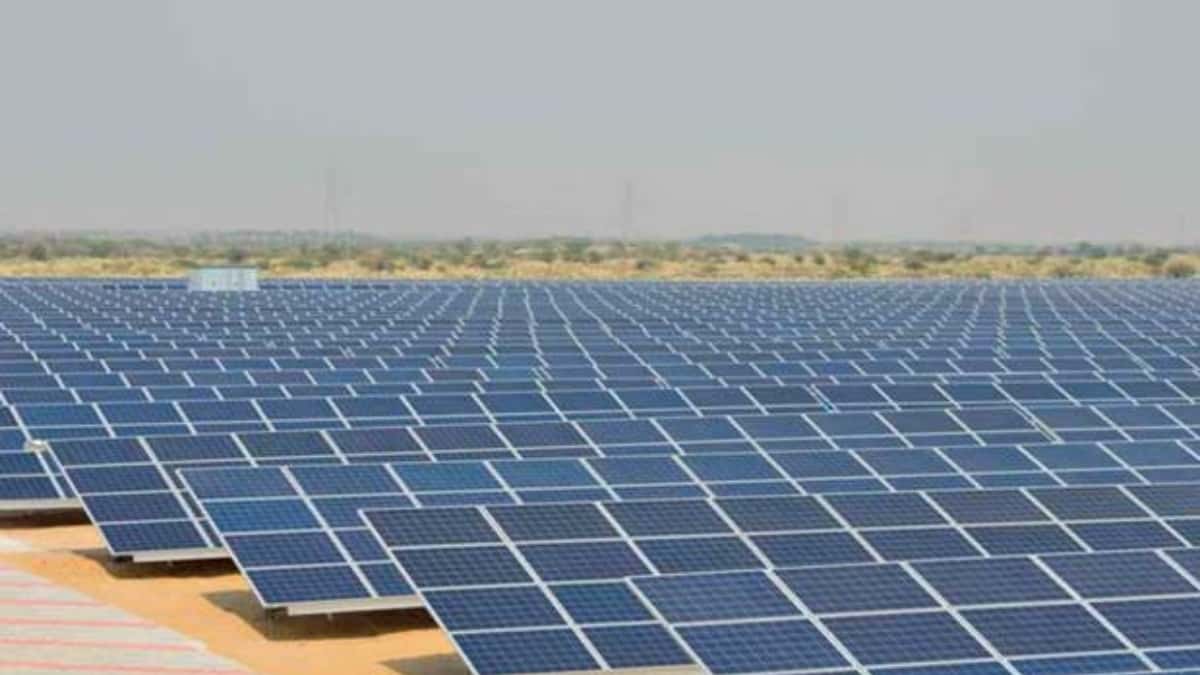
New Delhi, March 2026: India’s total installed power generation capacity has reached 520,511 MW as of 31st January 2026, marking a significant milestone in the country’s energy transition. This includes 248,542 MW (47.7%) from fossil fuel sources and 271,969 MW (52.3%) from non-fossil fuel sources, with renewable energy contributing 263,189 MW (50.6%) of the total capacity.
During the current financial year, FY 2025-26 (up to January 2026), India added a total of 52,536.49 MW of generation capacity, with a strong focus on renewable energy:
-
Solar: 34,955.24 MW
-
Wind: 4,612.58 MW
-
Hydro: 3,370 MW
-
Bio Power: 30.61 MW
-
Small Hydro: 58.06 MW
-
Nuclear: 700 MW
-
Coal: 8,810 MW
This represents a clear shift toward sustainable energy sources, with renewables accounting for over 81% of the total capacity added in FY 2025-26.
Installed Generation Capacity Breakdown (as on 31.01.2026)
Fossil Fuel Sources (47.7% of total)
-
Coal: 221,210 MW (42.5%)
-
Lignite: 6,620 MW (1.3%)
-
Gas: 20,122 MW (3.9%)
-
Diesel: 589 MW (0.1%)
Non-Fossil Fuel Sources (52.3% of total)
-
Renewable Energy (including Hydro): 263,189 MW (50.6%)
-
Hydro: 51,165 MW (9.8%)
-
Wind: 54,650 MW (10.5%)
-
Solar: 140,602 MW (27.0%)
-
Biomass/Cogen: 10,757 MW (2.1%)
-
Waste-to-Energy: 857 MW (0.2%)
-
Small Hydro Power: 5,159 MW (1.0%)
-
-
Nuclear: 8,780 MW (1.7%)
The data reflects India’s continued focus on expanding clean energy capacity while maintaining reliable fossil-fuel-based generation. Solar power led the capacity addition during FY 2025-26, contributing more than two-thirds of the total new generation capacity.
This information was provided by Shri Shripad Naik, Minister of State in the Ministry of Power, in a written reply to the Lok Sabha today, highlighting the country’s ongoing efforts to achieve energy security and sustainability.