
Shri Hardeep Singh Puri Says: India’s Masterstroke in Energy Security – 70% Crude Diversified, LPG Production Jumps 28% Amid Historic Hormuz Closure
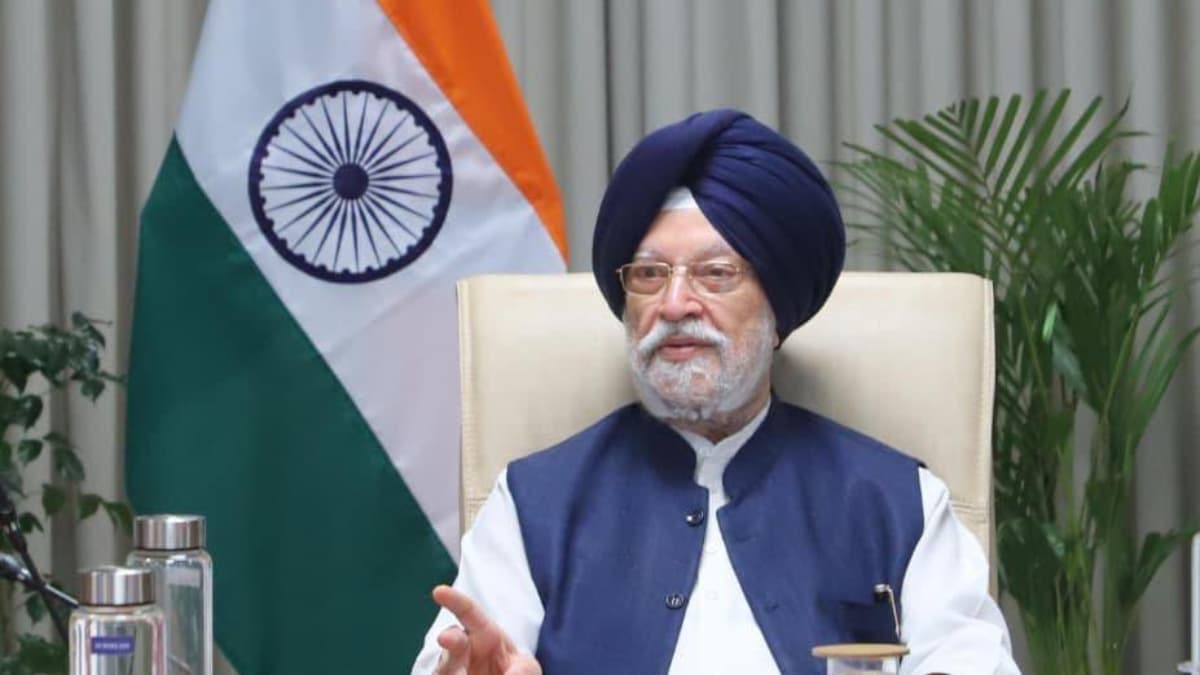
New Delhi: In a historic address to the Lok Sabha on March 12, 2026, Union Minister Hardeep Singh Puri detailed the Indian government's robust and multi-pronged response to the most severe global energy disruption in modern history—the complete closure of the Strait of Hormuz.
As global markets reel from the escalating conflict in West Asia, India has activated a war-room strategy to shield its 1.4 billion citizens from supply shocks and price volatility. While neighboring countries resort to school closures and energy rationing, India has ramped up production, diversified imports, and assured the nation that kitchens, vehicles, and industries will remain fully powered.
Here is a detailed breakdown of the government's statement and what it means for you.
The Crisis: A 13-Day Shutdown of the World's Energy Lifeline
The world is navigating uncharted waters. For the first time in recorded history, the Strait of Hormuz—a passage through which 20% of the world's crude oil, natural gas, and LPG flows—has been effectively closed to commercial shipping. This follows intense military operations between Iran, Israel, and the US.
Prior to this crisis, India relied on the Hormuz route for approximately 45% of its crude imports and 60% of its LPG imports. The disruption threatened to cripple economies across Asia, but India's proactive strategy has turned the tide.
India's Energy Response: A 5-Point Shield
Minister Puri outlined a comprehensive strategy that combines diplomatic heft, industrial might, and consumer protection.
1. Crude Oil & Fuels: Diversification Wins the Day
The Headline: India has not only secured its supply but has exceeded the volumes that would have come through the Strait of Hormuz.
-
Strategic Diversification: India now sources crude from 40 countries, up from just 27 two decades ago. This long-term policy has paid off handsomely.
-
Non-Hormuz Sourcing: Imports bypassing the Strait have surged to 70% of total crude imports, up from 55% before the conflict.
-
Refinery Ramp-Up: Domestic refineries are operating at record-high capacity utilization, with several units running at over 100% capacity.
-
Availability: The Minister assured the House that there is no shortage of Petrol, Diesel, ATF, or Kerosene. Retail outlets are fully stocked, and additional PDS Kerosene has been allocated to states.
2. Natural Gas: Prioritizing Homes and Farms
With a major Qatari facility declaring force majeure, India lost access to 30 MMSCMD of gas. The government responded with the Natural Gas Control Order to ensure supply reaches the most critical sectors first.
-
Priority Allocation:
-
100% Supply: Piped Natural Gas (PNG) to homes and CNG for vehicles remain untouched.
-
80% Supply: Industrial and manufacturing units.
-
70% Supply: Fertilizer plants, protecting the upcoming sowing season.
-
-
Alternative Procurement: Large LNG cargoes are arriving "almost daily" via alternative routes, ensuring the grid remains stable.
3. LPG: The "Ujjwala" Shield – Production Up 28%, Prices Stable
This is the cornerstone of the government's response, directly impacting over 33 crore families, particularly the poor.
-
Massive Production Boost: Following the LPG Control Order on March 8, refineries were directed to maximize LPG yields. Result: Domestic LPG production has been increased by a massive 28% in just five days.
-
Global Sourcing Diversified: Beyond traditional Gulf suppliers (Qatar, Saudi), India is now securing LPG cargoes from the US, Norway, Canada, Algeria, and Russia.
-
Supply Chain Intact: The government quashed rumors of shortages, confirming that the standard delivery time for domestic cylinders remains unchanged at 2.5 days.
-
Combating Hoarding:
-
A 25-day minimum booking gap introduced in urban areas (45 days in rural areas) to prevent panic-booking.
-
Delivery Authentication Code expanded to cover 90% of consumers, ensuring cylinders reach the intended beneficiary.
-
-
Commercial LPG Regulation: To prevent black marketing, a 3-member committee now allocates 20% of commercial LPG to genuine users like restaurants, in coordination with state governments.
4. The Price Paradox: India vs. The Neighbourhood
Despite the global chaos, Indian consumers are insulated.
-
Subsidy Absorption: The Saudi Contract Price rose 41% between July 2023 and March 2026. However, the price for a PMUY (Ujjwala) beneficiary has actually fallen by 32% in the same period, currently at Rs 613 in Delhi.
-
Market vs. Reality: While the market-driven price for a non-subsidized cylinder should be Rs 987, the government has absorbed a significant portion of the cost, keeping it at Rs 913.
-
Regional Comparison: The contrast with the neighborhood is stark:
-
Pakistan: Rs 1,046
-
Sri Lanka: Rs 1,242
-
Nepal: Rs 1,208
-
5. Cooperative Federalism in Action
The crisis response is not just a central directive but a nationwide collaborative effort. The Home Secretary has chaired meetings with all Chief Secretaries. Senior officials have coordinated with major states like Maharashtra, Uttar Pradesh, Tamil Nadu, West Bengal, and Punjab. Anti-diversion raids are already underway, and district-level monitoring committees are being established to ensure ground-level enforcement.
The Big Picture: Schools Open, Wheels Moving
While a neighboring country has shut schools and moved to a four-day work week to save fuel, Minister Puri emphasized that India is different.
"Schools are open. Petrol is on the forecourt. Every citizen has a stake in that." – Hardeep Singh Puri
The government has also activated alternative fuel pathways. Pollution Control Boards have been advised to permit the use of biomass and kerosene as alternatives for the hospitality sector temporarily, easing the burden on LPG.
Conclusion: A United Front
As the conflict in West Asia continues to evolve, India's energy architecture stands on a foundation of strategic diversification and decisive governance. From the oil fields to the kitchen stove, the supply lines are protected. The Minister's statement was a clear message: In a world facing an unprecedented energy war, India has built a fortress of reserves, alternatives, and policies to ensure that the common citizen does not bear the brunt.
Key Takeaways for Consumers:
-
No need to panic book LPG cylinders; supply is robust and delivery times are normal.
-
Petrol and Diesel are available at your local pump without interruption.
-
Government schemes like PMUY continue to provide a strong safety net against global price volatility.