
Cabinet Clears ₹26,069 Crore Kamala Hydro Project in Arunachal
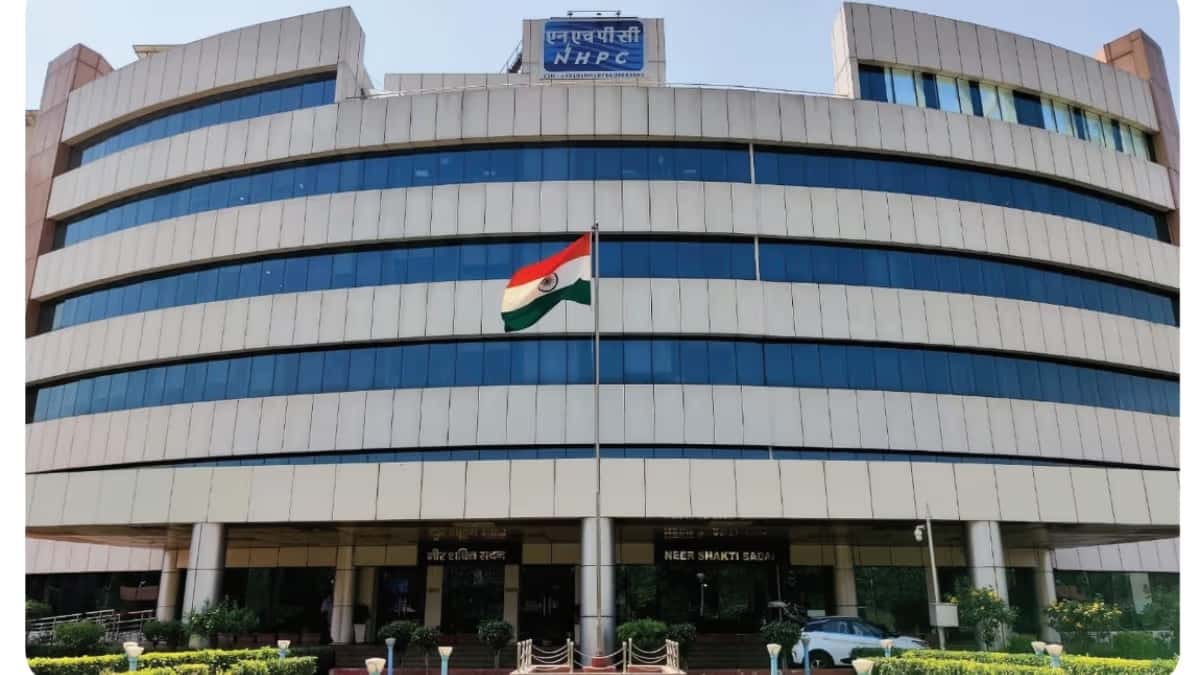
New Delhi: The Cabinet Committee on Economic Affairs (CCEA) on April 8, 2026 approved ₹26,069.50 crore for the 1720 MW Kamala Hydro Electric Project in Arunachal Pradesh. The project will come up across Kamle, Kra Daadi, and Kurung Kumey districts and will be built by NHPC Limited in partnership with the state government.
Key Data
The Kamala Hydro Electric Project will have an installed capacity of 1720 MW, spread across nine generating units — eight of 210 MW each and one of 40 MW. Once fully operational, the plant is projected to produce 6,870 million units (MUs) of electricity every year.
Total project cost stands at ₹26,069.50 crore. The central government will provide ₹4,743.98 crore as budgetary support for flood moderation infrastructure. An additional ₹1,340 crore will go toward enabling works — roads, bridges, and the associated transmission network.
On top of this, the Centre will extend a Central Financial Assistance of ₹750 crore toward Arunachal Pradesh's equity share in the joint venture. This ensures the state holds a meaningful stake in a project built on its own land and rivers.
The project has a completion timeline of 96 months from the start of construction — one of the larger timeframes for any hydro project currently sanctioned in India.
Background
NHPC Limited, India's largest hydropower developer, disclosed the CCEA approval to BSE and NSE on April 8, 2026, in compliance with Regulation 30 of SEBI's Listing Obligations and Disclosure Requirements (LODR) Regulations, 2015. The filing was submitted from NHPC's registered office in Faridabad, Haryana (CIN: L40101HR1975GOI032564), under Scrip Code 533098 on BSE and NHPC on NSE.
The Kamala river basin in central Arunachal Pradesh holds vast untapped hydropower potential. The three districts where the project will come up — Kamle, Kra Daadi, and Kurung Kumey — are among the more remote parts of the state. Large-scale infrastructure investment of this kind is rare in these areas.
Notably, the project carries a dedicated flood moderation component — an unusual but important feature. The Kamala river and surrounding basins are prone to seasonal flooding. The central government's ₹4,743.98 crore allocation specifically for this purpose signals a dual objective: power generation and downstream flood protection for local communities.
Meanwhile, India has been accelerating hydropower approvals across the northeast as part of its push toward 500 GW of non-fossil power capacity by 2030. Projects like Kamala HEP are critical building blocks in that plan.
Impact
The Kamala Hydro Electric Project is set to bring deep and lasting change to one of India's least developed regions. The construction of roads, bridges, and transmission lines — funded separately at ₹1,340 crore — will open up areas that currently lack basic connectivity. Much of this infrastructure will remain available for local use long after the project is commissioned.
For Arunachal Pradesh, the project means a steady supply of green power and a share of revenues through the joint venture structure. As a result, local communities stand to benefit from employment during construction, compensation for land, and CSR programmes over the project's multi-year build period.
On a national scale, 6,870 MUs of annual clean generation from a single project is significant. It will support grid stability, reduce coal dependency during peak hours, and add to India's growing renewable energy portfolio.
For NHPC Limited, the Kamala HEP adds another major project to its development pipeline. The company is already implementing several hydropower projects across the northeast. This approval reinforces NHPC's role as the central government's primary vehicle for large-scale hydro development in the region.
(Source: NHPC Limited BSE/NSE Filing, Ref. No. NH/CS/199, April 8, 2026 — SEBI LODR Regulation 30 Disclosure; CCEA official approval)