
ISRO Successfully Launches GSLV-F17 with EOS-05, India’s First Geosynchronous Imaging Satellite
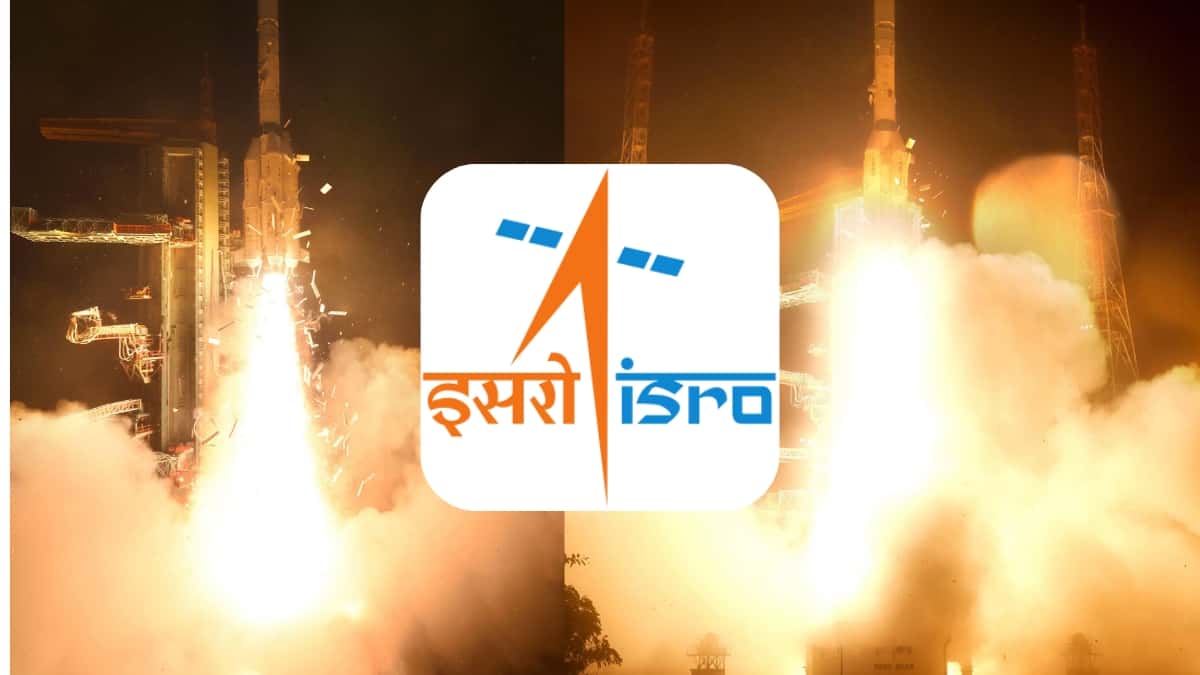
Sriharikota: The Indian Space Research Organisation (ISRO) successfully launched the GSLV-F17 rocket carrying the EOS-05 Earth observation satellite early on September 4, 2026. Liftoff occurred at 02:55 AM IST from the Second Launch Pad at Satish Dhawan Space Centre (SDSC) SHAR.
The 51.7-metre-tall, three-stage Geosynchronous Satellite Launch Vehicle (GSLV Mk II configuration) injected the 2,367 kg EOS-05 spacecraft into a Sub-Geosynchronous Transfer Orbit (Sub-GTO) with a nominal perigee of 170 km and apogee of approximately 28,934 km at an inclination of 19.28°. The mission used a 4-metre-diameter ogive composite payload fairing.
GSLV-F17 is the 19th flight of India’s Geosynchronous Satellite Launch Vehicle programme. The vehicle had a lift-off mass of 420.5 tonnes. Following injection, EOS-05 will use its onboard propulsion system to raise its orbit and reach its intended geosynchronous operational position near 36,000 km altitude.
What Makes EOS-05 Significant
EOS-05, also known as GISAT-1A, is described by ISRO as a state-of-the-art Earth observation spacecraft and India’s first imaging satellite designed to operate from geosynchronous orbit. Unlike conventional low-Earth-orbit imaging satellites that pass over regions periodically, a geosynchronous platform remains synchronised with Earth’s rotation. This enables repeated observation of the same large area.
Key planned capabilities include:
-
Selected field imaging every 5 minutes
-
Full Indian landmass coverage approximately every 30 minutes
-
Spatial resolution around 42 metres in multi-spectral and hyper-spectral bands
These features support near-real-time monitoring under cloud-free conditions.
Applications and Mission Context
Data from EOS-05 is expected to aid monitoring of natural disasters such as cyclones, floods, cloudbursts and forest fires, along with agricultural assessment, environmental observation, water resources, forestry and strategic surveillance needs.
The satellite serves as the replacement for GISAT-1 (EOS-03), which was lost during the GSLV-F10 mission in August 2021 due to a cryogenic upper-stage anomaly. EOS-05 therefore closes a multi-year effort to establish continuous geosynchronous imaging capability for India.
ISRO confirmed that the satellite was injected into the intended orbit and that its health parameters were nominal after separation. The mission ends a launch gap of several months for the agency and demonstrates continued progress with the indigenous cryogenic upper stage on the GSLV.