
RVNL’s Big Delhi Metro Push: ₹447 Crore Project Gains Momentum
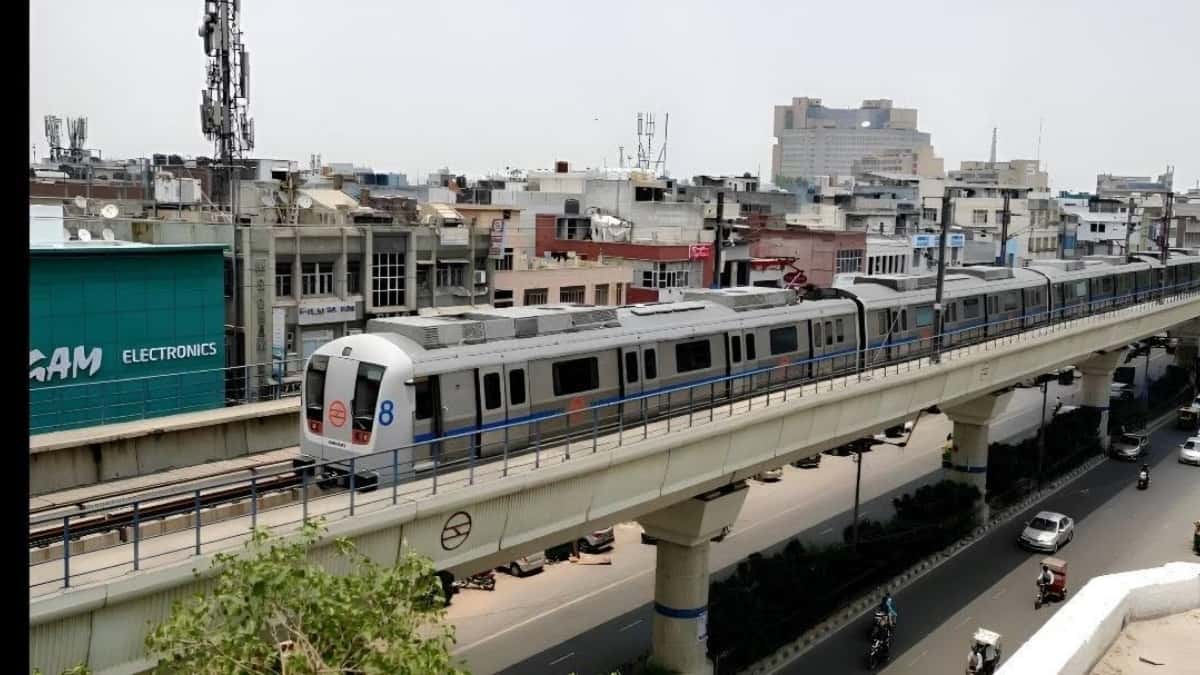
New Delhi: Rail Vikas Nigam Limited (RVNL) is making progress on a major Delhi Metro Phase IV package aimed at strengthening connectivity across South Delhi.
The company is executing the ₹447.42 crore D2C-02 package, involving construction of a 7.298-km elevated viaduct and platform structures for seven metro stations on the Pushp Vihar–Lajpat Nagar stretch.
Key Construction Work Underway
The project involves extensive foundation and elevated-corridor construction. According to the company, the engineering scope includes:
-
863 viaduct piles
-
208 pile caps
-
More than 2,200 precast segments
-
Six special spans
-
Elevated structures for seven metro stations
Construction is progressing on multiple fronts, with piling activities already underway.
Major Milestones Achieved
RVNL has reported progress on several important project activities, including design submissions and commissioning of the batching plant.
The first working pile has also been completed, while three pile caps have already been constructed, indicating visible progress in the foundation work.
Why the Project Matters
The D2C-02 corridor is expected to improve public transport connectivity across South Delhi and provide commuters with a faster and more sustainable alternative to road-based travel.
The expansion of metro infrastructure is also expected to support long-term urban mobility while helping reduce pressure on some of the capital's busy road networks.
RVNL’s Growing Infrastructure Role
With the Delhi Metro Phase IV work, RVNL continues to strengthen its presence in major urban infrastructure projects.
The company is focusing on timely execution and engineering-led development of transportation infrastructure, supporting the broader objective of improving connectivity and sustainable mobility in Indian cities.